My first winter in Naples, I expected misery. Grey skies, closed restaurants, that damp European cold that gets into your bones. What I got instead was the best version of the city I'd ever experienced. The tourists were gone. The queues were gone. The Neapolitans who remain — which is all of them, because they live here — reclaimed the streets and the restaurants and the piazzas. The city relaxed.
Winter in Naples runs roughly from November to February. It's mild by northern European standards — daytime temperatures hover between 8-14°C, and snow is almost unheard of. It rains more than summer (obviously), but the rain tends to come in bursts rather than settling in for days. On a sunny December morning, you can sit outside at a cafe and feel like you've cheated the calendar.
What's Ahead
The Weather (Honestly)
Naples is not warm in winter. Let me kill that fantasy right now. It's southern Italy, not the Caribbean. But it's milder than you expect, especially if you're coming from anywhere north of Milan.
Average temperatures by month:
| Month | Avg. High | Avg. Low | Rain Days |
|---|---|---|---|
| November | 17°C | 9°C | 10 |
| December | 14°C | 6°C | 9 |
| January | 12°C | 5°C | 9 |
| February | 13°C | 5°C | 8 |
The catch is the wind. Naples gets cold wind off the bay, and in the narrow streets of the centro storico it funnels between buildings in a way that makes 12°C feel like 6°C. Layers are essential. A decent jacket, a scarf, and you're fine. I've seen tourists in January wearing shorts. They did not look fine.
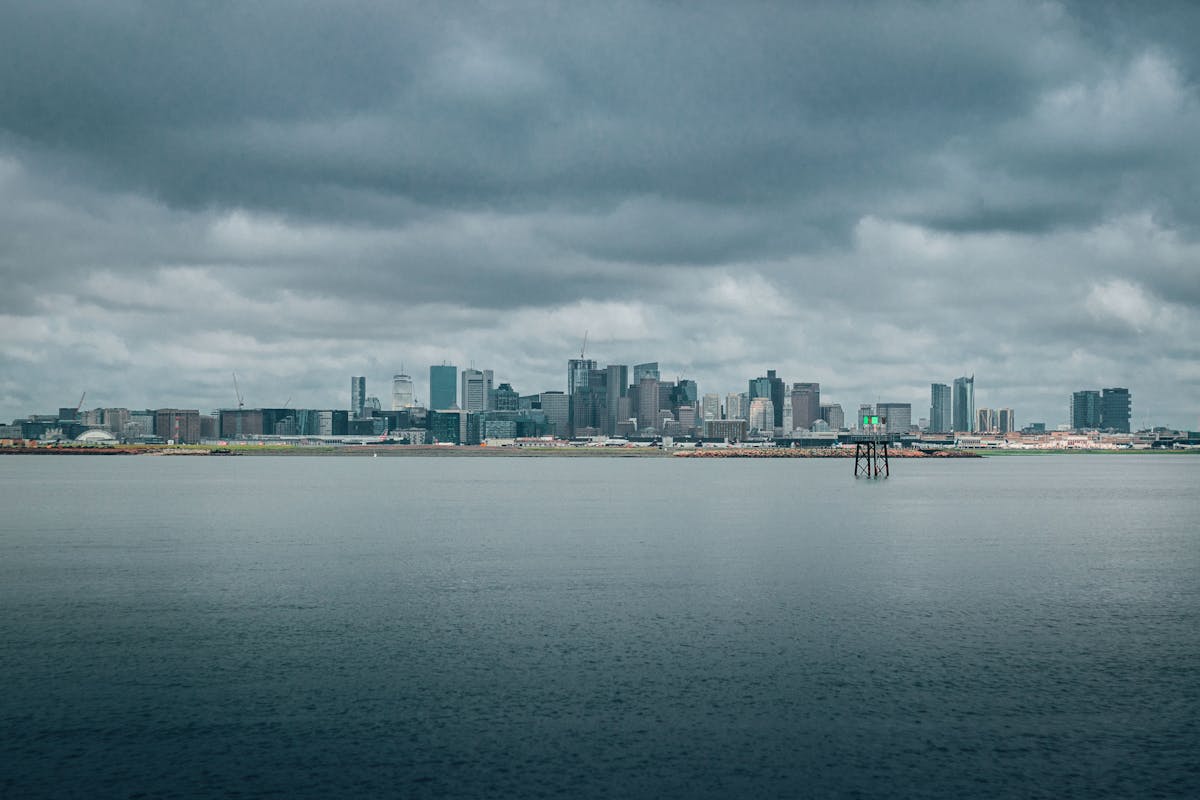
Winter Food — This Is When Naples Eats Its Best
This is the real reason to visit Naples in winter. Neapolitan cooking is seasonal in a way that's hard to appreciate in summer, when everything is tomatoes and mozzarella. Winter unlocks the heavy stuff — the slow-cooked, the braised, the baked — and it's extraordinary.
Ragù napoletano — the real one, not the bolognese tourists think of. This is meat (pork, beef, sometimes sausage) simmered in tomato sauce for 6-8 hours on a Sunday morning. The entire neighbourhood smells like it. My neighbour in Sanità starts hers at 7am and by noon the stairwell is uninhabitable in the best possible way. Served with ziti or paccheri, it's the single best dish I've eaten in Italy.
Minestra maritata — "married soup." A combination of pork (various cuts, including skin), broccoli rabe, chicory, scarola, and other winter greens. The marriage is between the meat and the vegetables. It's dense, nourishing, and tastes like someone's grandmother made it with love and mild annoyance. Mine did, in fact.
Struffoli — tiny fried dough balls covered in honey, served at Christmas. Every bakery window is full of them from late November. They're addictive in a way I'm not proud of.
My pick: If you come to Naples in January and eat ragù at a proper trattoria on a Sunday, you'll understand why Neapolitans built their entire weekly rhythm around a single pot of sauce. It's not just food — it's the organising principle of the week.
Christmas in Naples
Naples takes Christmas seriously. Not in the polished, Christmas-market-with-mulled-wine way of northern Europe. In the loud, chaotic, emotionally intense Neapolitan way.
Via San Gregorio Armeno — the presepe (nativity scene) street — peaks in December. Artisans here make miniature nativity figures year-round, but the Christmas season turns the whole street into one long, insane market. The figures aren't just biblical: you'll find Maradona, current politicians, celebrities, and occasionally controversial figures, all rendered as miniature terracotta characters for your nativity scene. It's kitsch and craft and cultural commentary all at once.
Midnight mass at the Duomo or any of the major churches is an experience even if you're not religious. The Duomo is packed, the singing reverberates, and the mixture of devotion, superstition, and community is very Neapolitan.
New Year's Eve is loud. Extremely loud. Fireworks start around 10pm and don't stop until 2am. They come from everywhere — rooftops, balconies, the street. The waterfront at midnight, with Vesuvius silhouetted against fireworks across the entire bay, is something you don't forget. Wear old clothes — falling debris from fireworks is a real thing. I'm not joking. The city sweeps up an estimated 800 tonnes of rubbish on January 1st.
Sightseeing Without the Crowds
This is the practical advantage. Sites that have 90-minute queues in July are walkable in winter. The Sansevero Chapel in January? You might have the Veiled Christ nearly to yourself. Pompeii in November? You can walk the ruins in something approaching silence, which is how it should be experienced.
Most major museums and sites stay open year-round. Some adjust hours (closing at 5pm instead of 7pm). Vesuvius may close on bad weather days. The Amalfi Coast ferries run a reduced winter schedule. But the core Naples experience — churches, museums, the underground, the centro storico — is fully available.
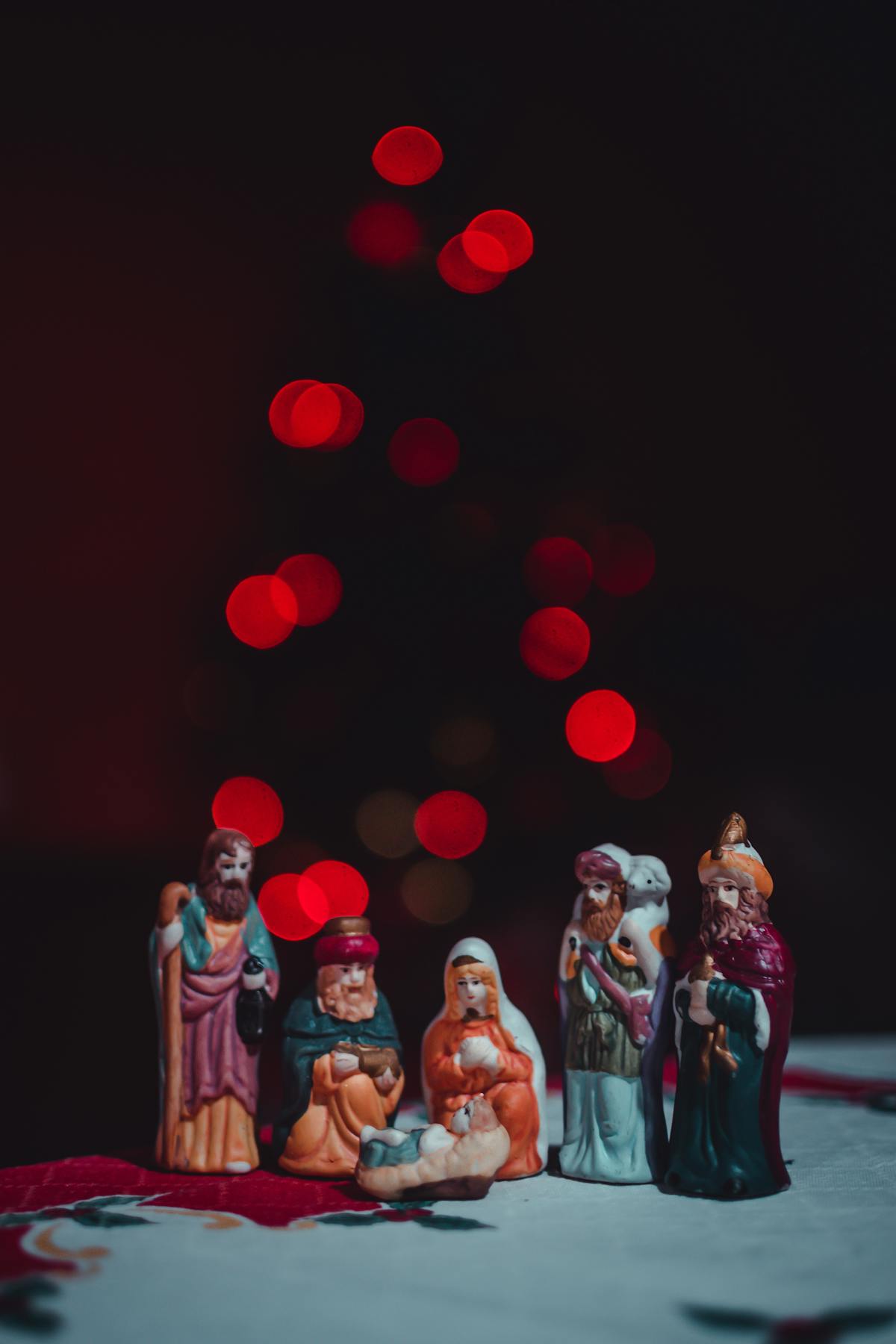
In summer, Naples performs for visitors. In winter, it just lives. The difference is subtle but important — you stop being an audience and start being a guest.
Practical Stuff
Hotels: 30-50% cheaper than peak season. A decent B&B in the centro storico that costs €100 in July will be €50-65 in January. Airbnbs drop even further.
Flights: Budget airlines (Ryanair, easyJet) run regular routes to Naples year-round. London to Naples in January can be found for €30-50 return if you book early.
What to pack: Layers. A waterproof jacket. An umbrella (collapsible — you'll need hands free for pizza). Comfortable waterproof shoes — some streets flood in heavy rain. A scarf. Forget the sunhat.
The downside: Some beach-town day trips are limited. Capri runs fewer ferries and many restaurants close. The Amalfi Coast is quieter (some say better, some say too quiet). The Blue Grotto is often closed due to sea conditions. If your trip is primarily about island hopping and beaches, save it for May-September.
Winter Naples is my favourite Naples. The city without the tour groups, without the cruise ship day-trippers, without the Instagram queues. Just Neapolitans doing what they always do — eating, arguing, riding scooters too fast, making espresso, and living with an intensity that doesn't slow down just because the temperature drops. If anything, the ragù is better for it.