I'm not a museum person. I'll be upfront about that. Growing up in Brooklyn, museums were school trips — the Met, the Natural History Museum, forty kids shuffling through rooms. I associated museums with obligation, not discovery. Naples changed that.
The three museums I'm going to talk about here are not interchangeable. Each one tells a different story about this city, and each one shifted how I understood the place I now live in. One is enormous, one is a palace on a hill, and one is a single room that you'll think about for weeks.
What's Ahead
MANN — Where Pompeii's Secrets Live
The Museo Archeologico Nazionale di Napoli — everyone calls it MANN — is one of the most important archaeological museums in the world. That sounds like a guidebook line, but in this case it's just the truth. The collection of Roman and Greek artefacts here is staggering in both scale and quality.
Most of the best stuff from Pompeii and Herculaneum is here, not at the archaeological sites themselves. The famous Alexander Mosaic (depicting the Battle of Issus) is here. The Farnese Hercules and Farnese Bull — both absurdly large marble sculptures — are here. The entire Secret Cabinet of erotic art from Pompeii, which the Bourbons kept locked up for centuries because it embarrassed them, is here.
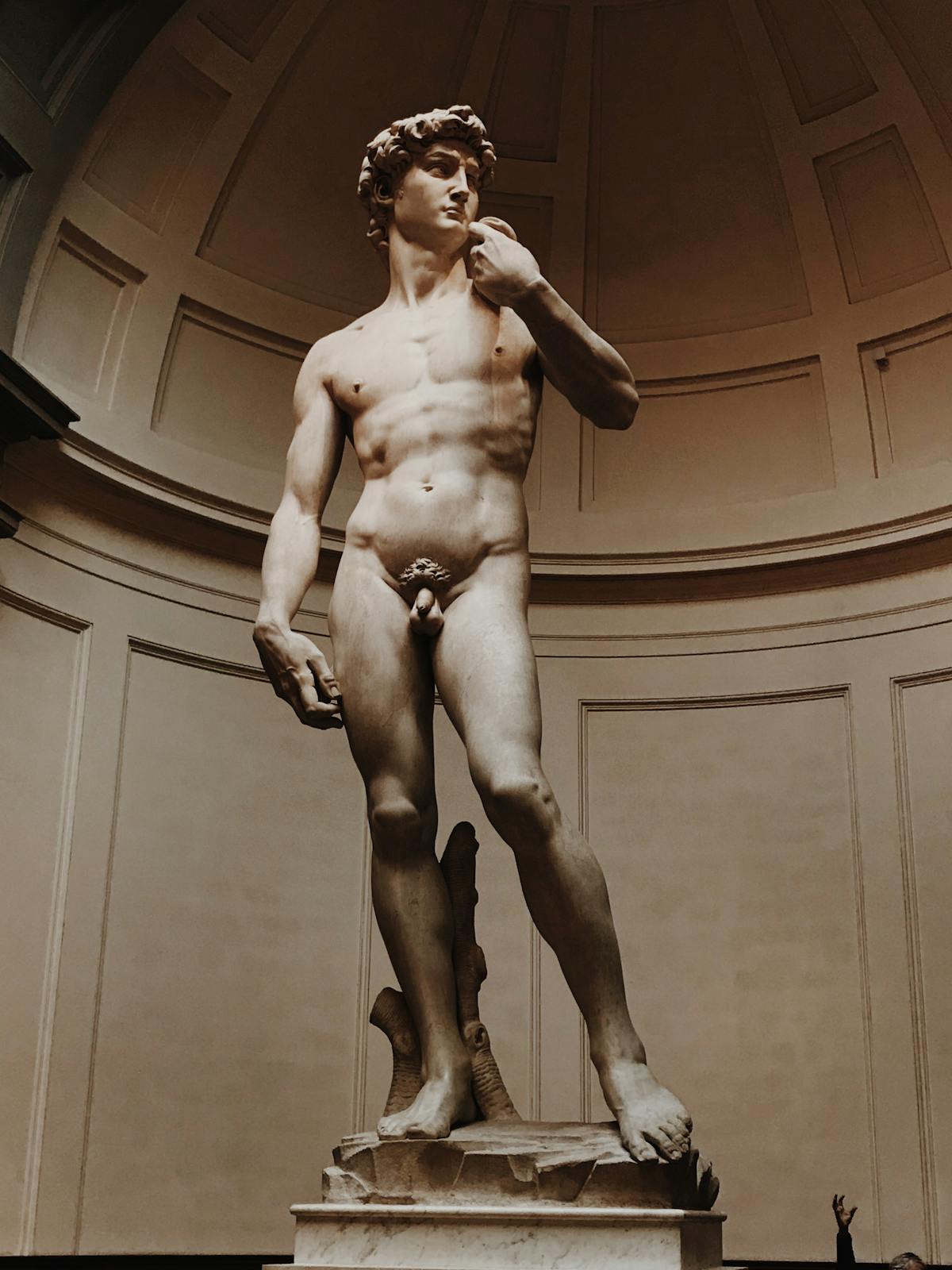
The building itself is a late 16th-century palace, and it's enormous. You cannot see everything in one visit. Don't try. If you have two hours, focus on: the Farnese collection (ground floor), the Pompeii mosaics (mezzanine), and the Secret Cabinet. If you have three hours, add the model of Pompeii (which helps enormously if you're planning to visit the site) and the Egyptian collection.
I go to MANN about once a month. Not for the whole thing — I pick a room and sit with it. The mosaics from the House of the Faun, in particular, reward slow looking. The detail is insane. These were floor decorations. People walked on them.
Capodimonte — The Palace Everyone Forgets
Capodimonte is a Bourbon palace on the hill above the city, surrounded by a massive park. It houses one of Italy's great art collections — Caravaggio, Titian, Masaccio, Botticelli, and a strong contemporary section — and it gets a fraction of the visitors that the Uffizi or Brera attract. This is partly because it's not in the centro storico, and partly because Naples has a PR problem even among Italian cities.
The palace is beautiful. The rooms are grand in that 18th-century Neapolitan way — chandeliers, frescoed ceilings, marble floors. The collection is arranged chronologically on the upper floors, and the contemporary art occupies the top level. There's also a porcelain room that looks like the inside of a particularly ambitious wedding cake.
To get here: take the shuttle bus from Piazza Dante or Via Toledo (runs every 20 minutes, free with museum ticket), or bus C63 from Piazza Museo. You can also walk up from Sanità — it takes about 20 minutes and the route through the neighbourhood is interesting, if steep.
What to prioritize: The Caravaggio room. There are three Caravaggios here, including the Flagellation of Christ, which is one of his most powerful paintings. Stand in front of it for five minutes. Actually look at it. The way the light hits the figure — you'll understand why Caravaggio is the patron saint of anyone who's ever tried to take a dramatic photograph.
After the museum, walk through the park. It's the largest green space in Naples — 134 hectares of old-growth trees, paths, and views. Neapolitans come here to run, picnic, and escape the city noise. It's free, and on a warm afternoon it's one of the best things you can do in Naples.
Sansevero Chapel — One Room, One Sculpture, Done
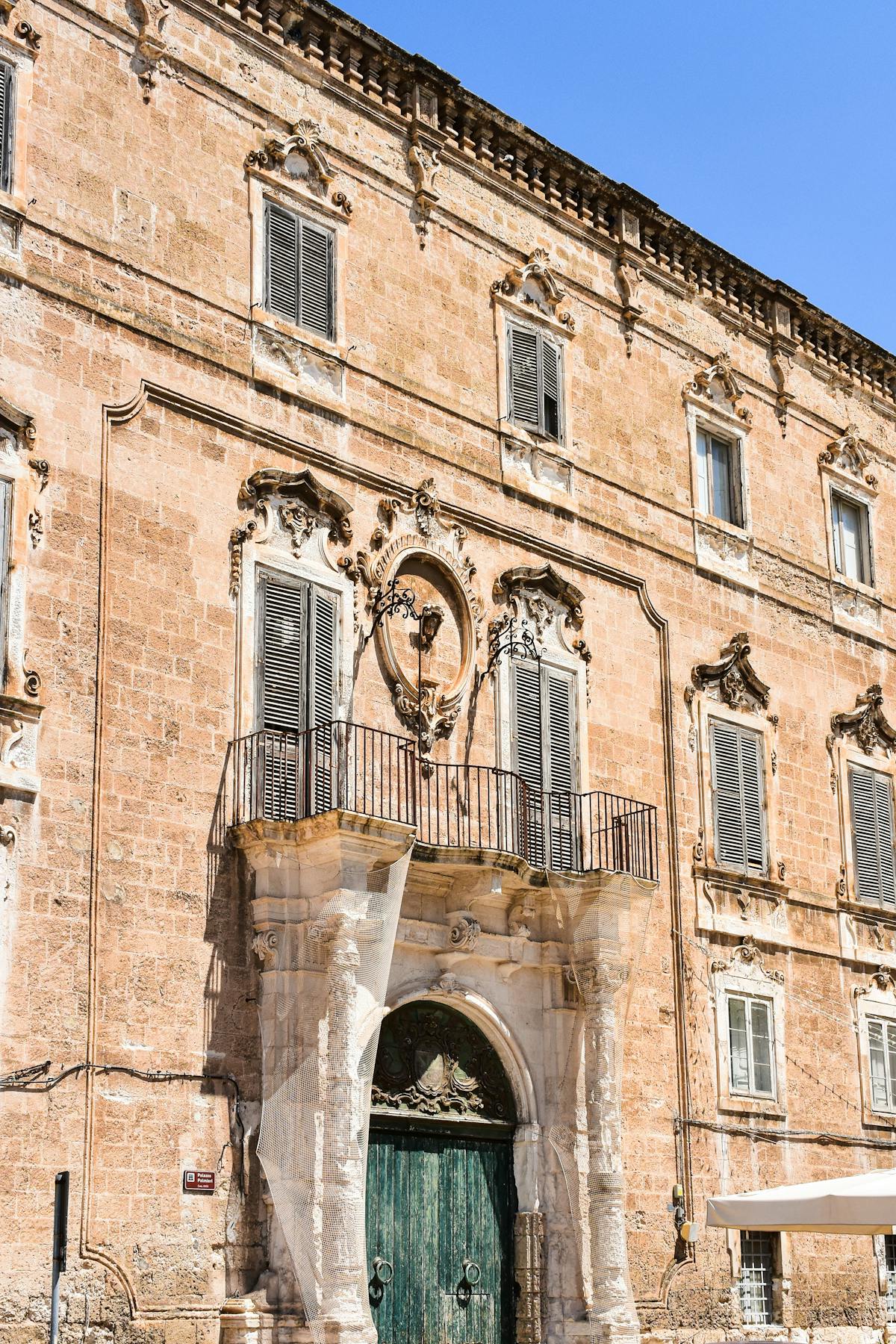
The Cappella Sansevero is a small chapel off Spaccanapoli. It contains, among other things, the Veiled Christ by Giuseppe Sanmartino (1753) — a marble sculpture of Christ's body covered by a marble veil so thin and realistic that your brain refuses to accept it's stone.
I'm not exaggerating. You stand in front of this sculpture and some part of you insists there's actual fabric draped over the marble. The veins in the hands are visible through the veil. The rope marks on the wrists show through. It's a technical achievement that borders on the impossible, and it's been doing this to people for nearly 300 years.
The chapel also contains two other remarkable sculptures — Disinganno (a man freeing himself from a marble net) and Pudicizia (a veiled woman) — and the ceiling fresco by Francesco Maria Russo. And then there's the basement, which contains the "anatomical machines" — two human circulatory systems preserved (supposedly) by the prince who commissioned the chapel. They're real human bodies. They're disturbing. They are not for everyone.
The Veiled Christ is the single most impressive work of art I've seen in Italy. I know that's a bold claim for a country that contains the Sistine Chapel. I'm making it anyway.
The Campania ArteCard — Worth It?
The Campania ArteCard is a museum pass that covers various combinations of sites and transport. The most relevant version for tourists is:
- Napoli 3-day (€25) — free entry to 3 sites, then 50% off others, plus unlimited public transport in Naples. Covers MANN, Capodimonte, Sansevero Chapel, and many others.
- Campania 7-day (€34) — covers Pompeii, Herculaneum, and Vesuvius in addition to Naples museums.
Is it worth it? If you're visiting MANN (€18) + Sansevero (€10) + one more site, the 3-day card saves you money and includes transport. If you're also doing Pompeii (€18), the 7-day card is a no-brainer. I'd recommend it to anyone staying more than two days.
These three museums aren't just things to "see" in Naples — they're ways to understand it. MANN explains where this city came from. Capodimonte shows what it aspired to be. Sansevero reveals what it's capable of at its most obsessive. Together, they're a better introduction to Naples than any walking tour or guidebook.